
The types of Solar Chargers
The types of Solar Chargers
The solar charger is an essential component for any off-grid solar system. The charge controller serves as a gateway for your battery, helping to prevent overcharging and damaging your power storage unit. This article will outline what a solar charger does and will compare two major types, Pulse width Modulation (PWM) or maximum power points following (MPPT).
What is a solar charger controller?
Solar charge controller controls your solar battery to prevent it from charging too much. The battery’s voltage capacity is what they are designed for. Overcharging can cause irreparable damage to the battery , and eventually, the battery will cease to function. The solar charge controllers are the gateway to your battery’s storage to ensure that it doesn’t get overwhelmed.
Only a handful of cases will require charge controllers. If you’re planning to install an unconnected solar panel, charge controllers are an excellent option. This includes rooftop systems as in smaller installations on boats and RVs. A charge controller is not necessary if you are homeowner and want at installing solar panels with batteries that are connected to the electrical grid. When your battery is completely charged, all extra energy is transferred to grid. This will help you avoid overcharging your battery.
We’ve put together an extensive list of the best portable solar products for 2022 that will assist you in choosing the best one. These include solar charge controllers to simplify the use of.
Do solar chargers right for me?
Most solar buyers don’t need charge controllers. Solar panels that are mounted on the roof or ground that have a backup battery are generally hooked up to grid. If the battery has been fully charged excess solar energy is redirected there.
A charge controller is required for ensuring that your battery is properly charged when you’re considering an off-grid solar power system. A solar charge controller with PWM is ideal for batteries with small capacities which are connected to low output 5–10 Watt (W) solar panels. A MPPT charge controller is a great option for more intricate DIY solar projects that need higher output panels.
Different kinds and models of solar chargers controllers
There are two kinds to choose from if you would like solar power to be completely off grid. PWM and MPPT controllers.
Home Solar Companies
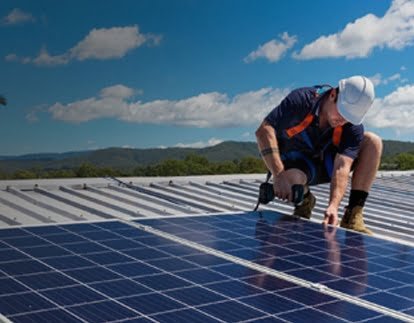
The solar panels you install for your house won’t simply show up on your roof. There are a variety of steps you must follow to be sure that you’re an appropriate candidate know your options, and then finally install the solar panel on your home. There are a few important things to keep in mind at a high-level.
1. Find out how you can benefit from solar energy
If you’re looking for a home solar system, there are several points to be considered. Residential solar panels work best when they face towards the south. This is because they have superior performance on roofs that slope between 15 to 40 degrees.
It is also important to figure out how much sunlight your roof receives during the daytime. Installing home solar panels requires sunlight to produce electricity. In the event that your roofing is shaded by trees or chimneys the shade could affect how solar-friendly your house is.
Utilize the Solar Calculator for a personalized assessment of your home’s potential solar panel savings.
2. Check out the solar alternatives: Community Solar vs. Rooftop
One of the greatest benefits of solar energy for homes is the variety of options that are available to homeowners who don’t have suitable roof but wish to be green.
Ground-mounted solar panels as well as community subscriptions are two popular ways to get solar power without having to set up anything on your roof.
It is possible to connect with other members of your area to share your system. Ground-mounted arrays allow you to set up and manage your system with no roof limitations.
3. Determine how many solar panels are required
Next, you need to know your solar needs so that you can find solar quotes that are comparable. A typical home will need between 20 and 25 solar panels in order to produce 100% electricity.
However, the amount of panels you’ll actually need is contingent on a variety of factors. The number of solar panels you’ll require is contingent on the area you live in, panel efficiency, power rating, and personal expenses for energy. The cost of solar energy is directly affected by how many solar panels you need to power your home.
4. Get Home Solar quote
Once you are certain that you’re a good fit with solar and are well-informed about your financing and payment options, it’s the time to look at and compare estimates from solar firms. A majority of solar buyers only received one estimate from a solar firm that sells solar in their region.
How can you be sure you are getting an honest price on the best method?
LA Solar Group allows you to receive up to seven personalized solar quotes from knowledgeable certified installers within your area once you register for an account. Solar customers who receive estimates from LA Solar Group typically pay 20% less than those who don’t.
5. Learn you can pay solar
There are a variety of options for financing your rooftop solar PV system purchase. The most popular three options are cash purchase solar loans, solar cash and solar leases. Cash payments for solar panels for your roof are the best method in order to reduce your expenses, if you have the means.
Cash-based purchases usually bring the highest return on solar investment since you own your panels and there is no interest to pay in the interest on your loan.
6. Cost of Home Solar Power
After you’ve met with the installers, completed the site visits, and laid out the plan the installation of a solar panel system at home will take just a few days. There are many factors that will affect the duration of the installation of your home’s solar power system.
You’ll need to set aside time for net metering and other procedures, to ensure that the panels are connected to the grid. While the process of choosing solar panels can take some time but it’s fairly quick and simple to install them.
Residential Solar Electric System
The next step in the process is installation. Solar installation could take up to a couple of weeks to several months. Even though it may seem like a long period but don’t let it deter you from installing solar panels. Our solar experts will ensure that the process is as easy and effortless as is possible.
You’ll be amazed the amount of effort the solar panel experts are working on your project, starting from the initial consultation to the final product. We are proud to provide our clients functional, high-end solar-powered residential systems that look stunning.
Our experts in home solar installations will
- If appropriate, you should work with your HOA
- Interconnection agreements must be signed and filed.
- All permits must be applied to be valid
- Every installation requires engineering supervision.
- Handle inspections, conduct commissions.
For future reference, provide the post-inspection files of your project with the as-built plans and permits. LA Solar Group assigns an experienced and dedicated Project Manager who will work with you throughout the entire project’s duration to help you get the most efficient solar panels for your home.
What are the pros and disadvantages of solar panels for your home?
Solar panels for your home offer many advantages, including the possibility of lowering the electric bills you pay to the utility company, reducing the environmental impact of your home and increasing your home’s value. There are some disadvantages to solar panels, like all products. Not every roof is suitable for solar, and it may be difficult to locate an installer who can install solar panels.
PROS OF SOLAR ENERGY
- Reduce your carbon footprint
- Lower your electric bill
- Enhance the worth of your house
- Earn money back on your investment
- Reducing the rising cost of electricity
CONS OF SOLARENERGY
- Panels can be expensive to purchase
- It’s not compatible with every kind of roof
- It’s not the best option if you are planning to move in the near future.
- It is sometimes difficult to locate the local installers of solar.
- Low electricity costs equal savings that are lower
Solar panels are an excellent investment that will yield a significant return on the majority of homeowners. Although rooftop home solar panels might not be the best choice for every homeowner however, they are perfectly acceptable.
Solar panels, just like other product for home efficiency, offer clear benefits for homeowners trying to cut their electricity bills and upgrade their efficiency in energy usage. It is not the case for everyone.
Top Residential Solar Companies
A full-service solar company such as LA Solar Group is easier and more secure. We will handle all aspects of your solar energy system’s installation, as well as maintenance. We are an experienced full-service solar energy installer. We take care of all permits and inspections.
Why Choose LA Solar Group? LA Solar Group is a pioneer in the field of solar panel manufacturing including brands like SunPower as well as Panasonic, LG, S-Energy, SunPower, LG, and many others that have been around for more than ten years.
Our track record is one of accomplishment. We have completed 7680+ watts of installations, 46MW+ residential and 6.5MWplus commercial projects, and 94GWh+ in production up to date, and $72 million+ in savings. We rank fourth in the country for the highest quality solar panels and electric equipment.
LA Solar Group is an NABCEP-certified, full-service solar PV company. We have excellent BBB ratings. LA Solar Group assigns you the project manager to make sure you receive the best service.
The project manager assigned to your project will answer all your questions and explain tax credits and incentives that you could be eligible for.
Contact LA Solar Group today. The solar energy system is clean and renewable energy source. Many incentive tax credits and credits are readily available.
Solar energy could lower your electricity bills as well as decrease your carbon footprint. Your contract with your utility company to bring solar energy back to the grid may allow you to receive a payment.