
The benefits of solar panels with Bifacial Mifacial
The benefits of solar panels with Bifacial Mifacial
If you are installing solar panels it is important to plan your system to generate the maximum amount of solar energy possible. Solar panels have made huge strides in the field of solar technology. Bifacial solar panels particular technology is a thrilling advancement.
While bifacial solar panels have been in use since the 1960’s, they have now been a key participant in the global market of solar power. What exactly are bifacial solar panels? And why is it worth looking into these panels? Read on to find out more!
What are Bifacial Solar Panels?
Two types of crystalline cells make up solar PV panels. They are monocrystalline and multicrystalline. Monocrystalline cells comprise the majority of Bifacial panels. Monocrystalline cells are less efficient but they are more costly.
The solar cells that are used in bifacial panels look the same as the monofacial panels. The only difference is the method by which the panel is constructed is what is different. Monofacial solar panels are transparent, bifacial solar panels have a reflective back sheet or two panes of glass covers that keep the solar cells in place.
Solar cells get exposed reflections of sunlight both from the front and back. Bifacial solar panels are more energy efficient due to their ability to capture the sunlight on both sides. They are typically completely transparent and do not have grid lines made of metal since they’re made without frames. They are thus more robust in terms of their structural integrity, and more easily visible.
How are Bifacial solar panels constructed?
Bifacial solar panel construction is like mono-facial panels. It is different because it uses translucent glass, instead of reflective coating or a transparent back sheet.
What is the process Bifacial Solar Panels Work?
Bifacial solar panels operate just like normal solar panels. Solar cells absorb sunlight and transform it into electricity. There’s also a small amount of sunlight trapped within the glass that bounces around until it is absorbed by a sun cell.
In the end, a tiny amount of light passes through. This is the difference between monofacial and bi-facial panels. The loss of light could be then absorbed by a panel having bi-facial layout. This is because the sunlight travels through the panel before it is reflected off of an reflective surface.
The light bounces back to the panels, and converts it into renewable energy. Bifacial solar panels are able to generate more solar energy as they open both the sides to sunlight.
How much more power will Bifacial Solar Modules generate?
Installing Bifacial solar panels close to reflective surfaces is a good idea. Pools, as an instance should be placed close to reflective surfaces like glass, sandy, rocky, or even snowy areas. The panel’s front absorbs the most of the sun, but some bifacial models can increase energy production by as high as 30%. The surroundings around the panels will determine the exact amount of extra energy they produce.
Benefits and drawbacks of Bifacial Solar Panels
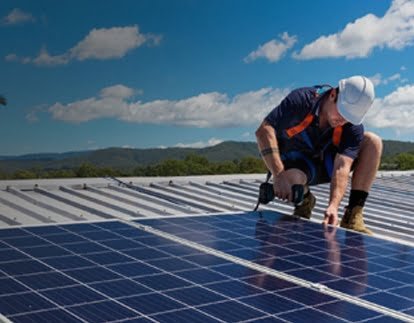
Due to their higher effectiveness and lower cost, bi-facial solar panels have been growing in popularity. To reap the benefits increasing numbers of homes and businesses choose to install bifacial solar panels over monofacial solar panels. But can the benefits outweigh the drawbacks?
The benefits of solar panels with Bifacial Bifacial
Bifacial solar panel panels produce more clean energy and decrease reliance on fossil fuels. The reduction in emissions helps reduce the greenhouse effect. The Earth produces heat from sunlight. Then, it warms up its surface and absorbs the energy that it doesn’t want before sending it out to space.
The Earth’s heat production is increased as greenhouse gas emissions get into the atmosphere. The greenhouse gas emissions capture energy in the atmosphere, increasing its temperature on the earth in the course of time. As an alternative source of energy, bifacial panel panels can be utilized to protect the environment, ecosystem as well as natural resources.
Double-sided panels permit consumers to benefit from additional solar credit (ITC). Individuals who make clean energy purchases are eligible to receive a partial tax break that can boost their savings. The ITC lets the general public enjoy greater access to solar energy, but without getting into debt.
Bifacial panels have a 27% efficiency, which means they have greater efficiency than PV-based versions. The panels are able to produce a large amount of solar energy. This rate allows owners of smaller areas to generate more clean electricity.
They lower the owner’s electric bill and also reduce their carbon footprint. The most cost-effective energy source, solar, is currently accessible. People can produce themselves energy using bifacial panels.
The employment market will be better in the event that double-sided panels are employed more often and sold more. To meet the needs of consumers, companies must hire maintenance, installation, and data collection professionals. So far, the solar industry has supported the economy by creating more than 25 million jobs. It is likely to see a rise in demand for bi-facial workers as the industry expands.
2. Compare solar alternatives: Community Solar vs. Rooftop
One of the best aspects of solar power for residential use is the variety of options available to homeowners who don’t have a suitable roof but still want to be green.
Ground-mounted solar panels and community subscriptions are popular ways to get solar power without having to install anything on your roof.
It is possible to connect with others in your neighborhood to share a system. Ground-mounted arrays let you install and own your system without any roof restrictions.
3. Calculate the number of solar panels needed
The next step is to be aware of your solar needs in order to find solar quotes that are comparable. A typical home will require between 20 to 25 solar panels to generate 100% electricity.
However, the number of panels you actually need will depend on several factors. The number of solar panels that you will need depends on the area you live in the efficiency of your panel, its power rating, and your personal expenses for energy. The price of solar is directly affected by how many solar panels you require to power your home.
4. Get Home Solar quote
If you’re certain you’re a good fit to solar, and are well-informed about your payment and financing options, it is time to look at and compare estimates from solar companies. Most solar buyers only received one quote from a solar company offering solar in their local area.
How can you be sure that you’re getting a fair price on the best method?
LA Solar Group allows you to receive up to seven personal solar quotes from knowledgeable accredited installers in your region when you register for an account. Solar shoppers who receive quotes by LA Solar Group typically pay 20 percent less than those who don’t.
5. Find out how you can pay solar
There are several options available for financing your rooftop home solar PV system purchase. The three main choices are cash purchase, solar loans and solar leases. Cash payments for solar panels for your roof are the best method in order to reduce your expenses, as long as you have the funds.
Cash purchases typically bring the highest return on your solar investment as you own your panels and there are no fees to pay on the loan.
6. Cost of Home Solar Power
After you’ve consulted with the installers, completed all site visits and laid out the plan the installation of a solar panel system at home will take only a few days. There are many factors that affect the amount of time it takes to install your home solar energy system.
You will need to include time for net metering and other processes, so that the panels are connected to the grid. While the process of choosing solar panels may take time, it is relatively quick and simple to install them.
Residential Solar Electric System
The next step of the process is the installation. Solar installation could take anywhere from a few weeks up to several months. While this might seem like a long time, don’t let it stop your plans to install solar panels. Our solar experts will ensure that the installation process is as simple and painless as is possible.
You will be amazed at how hard the solar panel experts work on your project, starting from the initial consultation to the final results. We are proud to offer our customers high-end, functional residential solar panels that look amazing.
Our experts in home solar power installation will:
- If appropriate, you should work with your HOA
- All interconnection agreements need to be signed and filed.
- All permits have to be applied for
- All installations require supervision by engineers.
- Perform inspections, make commissions.
To be used in the future, you should provide after-inspection project files that include as-built plans and permits. LA Solar Group assigns an knowledgeable and experienced Project Manager who will work with you throughout the duration of the project to help you get the best solar panels for your home.
What are the pros and disadvantages of solar panels for your home?
The solar panels you install for your house can provide numerous benefits, such as reducing the electric bills you pay to the utility company, reducing the environmental impact of your home and increasing your home’s value. There are some disadvantages to solar panels, just like any product. Certain roofs are not suitable for solar, and it is sometimes difficult to locate an installer who can install solar panels.
PROS OF SOLAR ENERGY
- Reducing the carbon footprint of your home
- Reduce your electricity bills
- Improve the value of your house
- Earn money back on your investment
- Lower the price of electricity that is rising.
CONS OF SOLARENERGY
- Panels can be costly to buy
- It doesn’t work with every kind of roof
- It’s not ideal if your moving is imminent.
- It can be difficult to locate the local installers of solar.
- Low electricity costs equal lower savings
Solar panels are an excellent investment that will make an excellent return for the majority of homeowners. Although rooftop home solar panels might not be the best fit for all homeowners, it is perfectly acceptable.
Solar panels, like any other home improvement product, provide obvious benefits to homeowners who are seeking to lower their electric bills and upgrade their energy efficiency. This does not apply to everyone.
Top Residential Solar Companies
A full-service solar company like LA Solar Group is easier and safer. We will handle all aspects of your solar energy system installation as well as maintenance. We are a seasoned, full-service solar energy installer. We handle all permits and inspections.
Why Choose LA Solar Group? LA Solar Group is a pioneer in the field of solar panel manufacturing and has brands like SunPower and Panasonic, LG, S-Energy, SunPower, LG, and other companies that have been in operation for more than ten years.
Our experience is one of success. We have completed installations of 7680+ Watts including 46MW+ residential as well as 6.5MWplus commercial projects, and 94GWh+ production up to date, and $72 million+ in savings. We rank fourth in the United States for solar panels that are of the highest quality and electrical equipment.
LA Solar Group is an NABCEP-certified, full-service PV installation solar company. We have excellent BBB ratings. LA Solar Group assigns you a project manager to ensure you get the best service.
The project manager assigned to your project will be able to answer any questions you have and explain the tax incentives and tax credits you might be eligible for.
Contact LA Solar Group today. It is an renewable and clean energy system. Many tax incentives and tax advantages are available.
Solar energy can reduce your electric bills and reduce your environmental impact. Your agreement with the utility company to feed solar energy back to the grid could allow you to be compensated.