
Solar Power System, Solar Power Panels, Solar Power Installers
Solar Power System, Solar Power Panels, Solar Power Installers
More and more homeowners around the globe are opting to set up solar power systems in their homes. They want to lower the cost of energy in the long run and also reduce their carbon footprint.
According to SEIA’s report residential solar capacity reached an all-time high in Q3 2021. The forecast is for this to rise in the coming years. The effectiveness and low cost that solar systems provide have largely fueled this explosive expansion.
What types of solar panels do you have available? What are the necessary equipment to create a home solar power system that produces enough energy? Do you have the capability to set up solar panels on your own? What is the time when solar panels will break even? Let’s look at these and other issues for the answers.
What is a Solar System?
Solar panels mounted on roofs convert energy-packed light rays of natural sunlight into energy usable. The term photovoltaic (or PV) solar power systems are frequently used to describe the solar panels.
Installing a quality solar power system at your home will help to reduce or reduce your dependence on the grid to get electricity utilized to heat, light, cool, and power your home.
Solar power systems that are installed in residential homes are a renewable source of energy that is safe and requires minimal maintenance. Savings can pay for the initial investment in as short as several years.
You’ll enjoy years of energy-free lifestyle after your solar system has been completely paid for.
What are the different types of Solar Power Systems available?
There are three types of solar power systems.
Grid-tied solar systems: This is the most popular type of solar system. It connects the home to a grid to receive electric power from the utility in case the solar panels don’t produce enough energy.
Hybrid systems: Also known as solar storage systems, the hybrid systems integrate solar panels with a battery for storing energy. The home could also be connected to the grid.
Off-grid systems do not connect directly to grid. The home is completely powered by energy generated on-site.
What is the cost of a Solar Power System?
While solar panels generate “free” energy, there are still costs involved in the installation. Prices may vary based on several key factors, including efficiency, capacity and location.
As per LA Solar Group, the average price of solar panel systems for an U.S.-sized house is $11,144 to $14.696 when accounting for solar tax credits. For a small DIY project, anticipate paying $200-250 per panel (around 1 Watt).
Most professionally-installed solar panel systems cost between \$18,000 and \$20,000 before factoring in any rebates or incentives. Here’s an overview of federal, state and utility incentives may be yours to avail.
You could also include $10,000 in case you wish to add a new battery for your unit. Off-grid systems are more expensive because you’ll require additional solar panels more storage and more energy to cover the energy usage.
The price of a solar array can vary based on its size, the location, equipment, and who you use. You should also keep in mind incentives like the tax credit of 26% offered by the IRS for solar energy.
The solar calculator includes both the initial cost as well as long-term savings. This will assist you in making a the decision on whether or not to opt for solar.
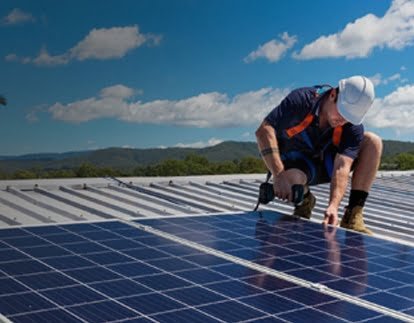
How much does it cost to install solar panels?
After tax breaks from the federal government and tax breaks, the cost for installing solar systems in the United States is \$12,000. A smaller system costs around $5,000, whereas the Tier 1 system, which can cost as much as $40,000 can be installed for around $12,000 after tax breaks for federal residents.
An installation project involves additional expenses beyond the cost of panels. Around 25% of costs to install are actually for panels. The remaining cost is made up by operating expenses, labor costs as well as additional equipment such as inverters or control circuitry.
LA Solar Group LA Solar Group provides the installation, maintenance, and warranties on the panels and work. These additional services are not cost-free, but they are often worth the price. There are many other variables that impact the price in solar panel installations.
Federal Solar Tax Credits
Many state incentives can also be used to help reduce the financial burden for homeowners who are interested in going solar. Municipal rebates and programs may be available to reduce your costs.
Electricity is a necessity
Solar panels are priced between $2.51 and $3.31 per Watt. LA Solar Group estimates that wholesale installers pay 85 cents per Watt. Solar panels are rated using the watts (kilowatt). 1 kW equals 1000 watts. A 2-kW system costs $4,381 with tax credits. A 5-kW system will cost you about $11,000. A 10-kW system will run you approximately $22,000.
Pick from a range of panels
All solar panels are not all created to be the same. Polycrystalline and monocrystalline solar panels are the most popular for powering homes. Monocrystalline panels are more efficient than polycrystalline, however, they are also more expensive. You might need to buy higher-efficiency panels if have limited roof space. Contact us today and learn how to choose the best solar panels.
Where do you live
The cost of going green is contingent on where you live. To figure out how many photovoltaic panels your system requires to operate, simply multiply your daily energy needs by the peak sun hours for your area and then divide that number by the wattage of a PV panel. It’s a good idea to have a range of panels with lower and high-wattage.
To provide the entirety of their energy requirements the majority of American homes will need around 30 panels. The size of your solar system will influence the price for solar panel panels. Roof solar panels average about 5 1/2 feet high and 3-foot wide. Therefore, think about the size the roof.
Purchasing Options
You can buy solar panels in bulk, however not everyone has the means. Although solar panels are expensive in the beginning, home owners and businesses have alternatives. They can apply for credit, loans for solar, and power purchase contracts (PPA) in order to fund their purchases. For more information about solar financing firms, check out the LA Solar Group website. This will help you make your purchase of a solar panel much more convenient.
How much do Solar Panels save?
Your energy bills could be reduced by up to 75 percent by switching to solar energy systems. Your location, climate and energy requirements will all impact the savings that the family and you receive. For instance, a homeowner living in Portland, Oregon could see a total savings of $38,000. A homeowner living within Los Angeles, California, could be able to save up to $90,000.
LA Solar Group offers a free calculator tool to help you estimate the cost and savings of installing solar panels on your home. Different solar calculators will estimate the cost of electricity in different ways. The national average, regional averages, and any other information you provide could use to determine the numbers.
The typical American electric bill is between $100-$200 per month. The annual average cost of energy is about $1500. It could take anywhere between five and 15 years to turn a profit depending on the amount you shell out on your own to purchase an solar panel system. First subtract the incentives and rebates you receive from the cost to determine the time it takes to break even on your savings. Divide this figure by how much you save on your utility bill each year.
The tax credit for federal taxes that is available for solar panel installations will mean that the majority of Americans panel will be paid for in seven years. Credit for investment in solar panels available for solar panels is now 26% for systems that are installed between 2022 and 2023. However, it has been expanded through Congress to 22 percent for systems installed prior to 2023. It will then drop to 22% for systems that were put in place after the year 2023. The agreement will expire in 2024.
Although solar panels provide 100% of your electricity however, you could be billed a utility bill. Instead of requesting payment, you’ll receive net metering credits every month.
How many Solar Panels will I need?
The number of panels you will require will be contingent on the amount of energy you require. This will affect the cost of your solar panel. You need to produce all of the electricity used by your home to reduce your electric bill. To be energy independent, most homeowners will need between 25 and 35 panels.
A solar panel generates approximately one kilowatt hour (kWh) per day. If you have 30 kWh per day, you’ll need 30 panels to produce all your energy requirements. This can add to your energy bill in the event that you require additional energy to cool or heat the pool.
You’ll need to know the number of kWh you use per year to determine the amount of energy you’ll need. The number will be listed on your utility bill as “kWh utilized”. Check your bills from the last year to determine the average monthly. Add the kWh used to find the total and divide it by 12.
Divide the monthly average of kWh by 30 in order to calculate your daily kWh. If your average monthly kWh is 900, your average daily average kWh would be 30.
An image from satellite of the roof is used to calculate the amount of solar power you could generate. Others use the region’s solar radiation to determine the amount of electricity you can produce. Some calculators also use the average electricity consumption, with no other inputs. If you’re eligible solar calculations can include state, local and federal incentives that could yield significant savings.
To improve the accuracy of your calculations Consider adding in times when solar power is less available. For example, when it’s dark and cloudy, or in the evening. This can be accomplished by two methods:
When your equipment isn’t producing enough electricity Buyback agreements can help reduce the cost of buying electric power from the company that supplies it. Utility companies will compensate you for the additional energy generated by your solar power system, if it produces more power than your home needs when the sun is shining. This is referred to as an “avoided expense”. This rate is typically lower than half of what the utility company is charged for electricity.
Although these calculations may seem complicated, they are essential if you want to get the best solar power system for your home.
How are solar panels installed?
The hardest part about installing solar panels at your home is the research. From the time you receive a quote for the installation from LA Solar Group and when the installation of solar panels is complete can take anywhere from one to four months. Six steps can be used to explain the entire process:
- Purchase your solar panel equipment The panels and the inverters comprise among the most crucial elements of any residential solar power system. Although you LA Solar Group installer may make recommendations, most people are able to comprehend how solar panels function and choose the right solar panels for their needs.
- Engage an experienced electrical engineer consultant to review the system before you buy. This will ensure you get the best system for you.
- An engineer working for LA Solar Group solar installation will come to your home.
- Once you’ve signed a contract, having a meeting with an engineer in your home is the first sign that your solar panel installation is progressing. The engineer will verify that your roof is able to bear the solar panels’ weight and examine your circuit breaker and electrical panel. Once the engineer has decided that your home’s structure is sound enough for solar panel installation, you are able to begin filling out the forms.
- Complete the paperwork.
- The majority of the paperwork must get handled through LA Solar Group installers, which includes federal and state tax incentives rebates, rebates, PACE and other financing programs for clean energy and solar renewable energy certificates (SRECs). But you must be aware of where and what documents are being submitted. LA Solar Group installer will assist you with submitting an application for state and federal incentives. They will also be able to assist with local building permits and restrictions. Once all paperwork is completed and approved, LA Solar Group installer will order the equipment that you selected when signing the contract. You’ll then be added to a list of solar panel installers.
- LA Solar GroupSola Group will do the heavy lifting.
- The installation of solar panels can take just a few days. To ensure that everything is functioning after the engineer’s visit the solar panel installer will prepare your roof. Following that, you need to install the electrical wiring that connects your panels with your power system. To help support the panels racks, they are connected to the roof. The racking is put on the top. The panels are then hooked up to control circuitry or inverters that converts solar power into energy usable.
- One last check.
- Before you can join your solar panels with the grid, the representative of the local government has to approve and ensure that your installer is doing a good job. The inspector checks for faulty wiring, infractions to electrical or rooftop setback rules.
- Switch it on.
In the end the LA Solar Group will send an official who will connect the solar panel with its grid.
We’re just one phone call or email away
LA Solar Group doesn’t sell you a complete set of components when you purchase your solar panels. So you can feel confident that you’re installing solar with the confidence of a professional Our experts will help you through every step of the procedure.
Why Choose LA Solar Group?
LA Solar Group is a leading solar company. We’re dedicated to making your experience as a customer an absolute priority.
All inquiries regarding solar panels, micro-inverters and DIY solar installations and the federal tax credit for solar are welcomed by our solar experts.