

Solar Array
An array of solar panels is collection of solar panels connected that are connected to generate more electricity and absorb sunlight.
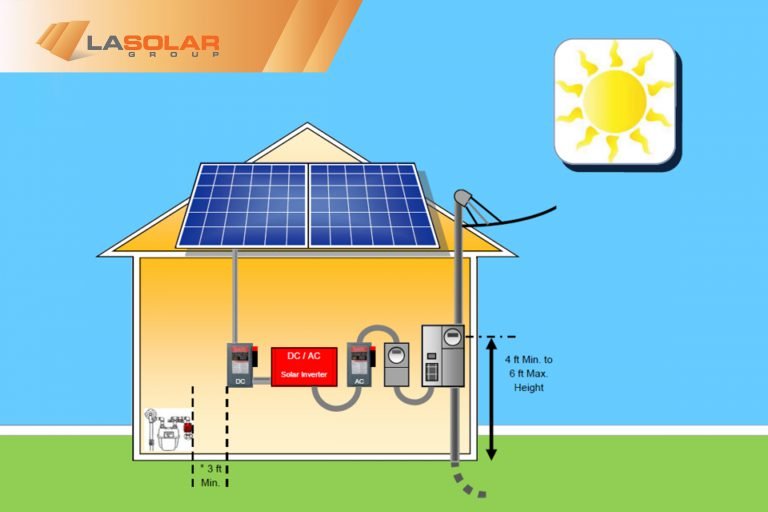
A combination of solar arrays with one or more solar converters (and possibly a battery) makes a fully-functional system for powering the sun. A solar array is part of the solar power systems that supply power. This power can be utilized to power homes, or exported to the grid.
Home Solar Array
Solar arrays are easily installed wherever there is good sunlight. Solar arrays can be located in the rooftop of your home. Solar arrays facing to the south of the United States receive the maximum sun’s rays and generate the most power. The number of panels needed to cover your electricity usage is also dependent on the location of the panel, with respect to your geographical location as well as the design itself.
You could also put solar panels over ground mounts. This is a common option for solar farms as well as rural regions where land is typically cheaper.
You can install solar arrays on other structures , other than roofs. There are a variety of options. There are solar canopies, solar patios, solar pergolas, and solar Gazebos.
Are you heading out for the weekend? You could also put solar arrays over vehicles. The utilization of solar energy in RVs has been an option for several years. However, more and more boats are getting ready to integrate solar panels.
Solar arrays can also be utilized to store energy in systems such as solar batteries that are used in off-grid environments, such as hunting cabins. There are also specializations for solar arrays, like those that are that are integrated in buildings.
Solar Array Types
There are three types: roof-mounted, ground mounted, and carports. Every type of pv panel installation serves a different purpose, so what works in one school might not be suitable for another.
- Ground-Mount Arrays The arrays that are mounted on the ground tend to be the most popular. They provide the highest energy per kW. They can be set in any direction and angle to increase energy production. They are easy to access for maintenance , but they require clear ground. They can also be shaded by trees that are nearby or power poles structures.
- Carports – Overhead canopy designed to protect parking spaces is known as solar carports. The ground mount solar as well as solar cars do not require a surface to mount the panels . The canopies permit installers to set panels at optimal angles for maximum sunlight hits. Solar panel carports are better than panels that are mounted on the ground.
Solar Array Installation Cost
A complete solar panel for your home system can cost between $18,000 and $20,000. According to our costs estimates this figure assumes a pre-incentive price of between $2.75 to $3.35 for each solar watt.
The equipment required to construct the solar array costs between $5,800 and $7,850. The remaining costs are primarily to install an solar inverter(s), and the cost for the installation.
Solar Panel
The main source of solar power is sun. The solar panels are also referred to as Photovoltaic panels, generate sunlight, which is made up of photoelectrons, particles that are incorporated in the power supply. This can be used to regulate electric loads. It also has a number of photovoltaic (PV) solar cells.
Solar panels are a great option to serve a variety of purposes such as Remote power for cabins as well as remote sensing. Additionally, you can generate electricity with commercial or residential electrical systems that are solar powered. Photovoltaic modules are made up of photovoltaic cell circuits that have been sealed in an environmentally-protective laminate. They are the fundamental building elements of solar power systems. Photovoltaic panels are made up of one or more PV modules that can be assembled to form a pre-wired, field-installable device.
Solar Panel for Your Home
The best chance to make money and be successful is the promise of one solar panel to power your home. What number of panels do you need? More than 2 million homeowners have installed solar panels. [xfield-company] received more than 60,000. This is the highest number of homeowners requesting estimates for solar panels for their homes.
The cost of solar is dependent on the location you live in and the amount your utility company charges for electricity. In addition, how much energy you consume.
Another term is PV Module. It’s a set of PV cells, which are also known by the name solar cell. Combinations of PV modules are also called PV panels, and they are linked to create the necessary power and current. This huge array is known as a PV array. A PV module is an element of any Photovoltaic device that converts sunlight into electricity , resulting in DC current (DC), or solar electricity. To deliver the necessary voltage and current the PV module may be connected in series or parallel.
Types of Solar Panels
Solar panels from different manufacturers can have diverse designs and specifications. The majority of solar panels fall into one of three categories: monocrystalline, thin film, or polycrystalline.
The three kinds of panels may not offer the same efficiency or physical characteristics, but they’re all equally efficient. Each panel has its pros and cons.
They last longer than the traditional silicon-based panels. Each kind that is available will be explained below.
- Monocrystalline Solar Panels Monocrystalline solar panels have the highest efficiency. They utilize a special manufacturing process to get the most out of silicon, the main material. Monocrystalline panels are created of silicon ingots that have very high quality. The wafers are cut into thin wafers which are arranged in a grid-like form. Each silicon wafer is distinct and easily distinguishable. The panel appears black.
Monocrystalline panels are created of silicon ingots that have the highest purity. They are incredibly efficient in producing electricity. The panels are rated at an initial efficiency rating 21.5%.3 They are also very compact and can perform under low-light conditions more effectively than other panels.
This type of panels have an important disadvantage. They are more expensive than more Spanels. However, costs can vary significantly between panel manufacturers and designs. Monocrystalline panels create more waste because of their cylindrical silicon ingots. The edges of each wafer are discarded during manufacturing.
- Polycrystalline solar panels These solar panels are more economical as compared to monocrystalline solar cells. Polycrystalline panels are created out of silicon that has been melted. Then, it is poured into square wafers. This melting process makes almost all the materials accessible, which eliminates the need for waste the process of manufacturing.
These panels are relatively efficient with an average efficiency of 13% to 16 percent. But, they don’t perform like monocrystalline panels. They don’t do as well in extreme heat or low light conditions. Polycrystalline panels tend to be larger, and may have a shimmering blue color that’s less appealing than monocrystalline and thin-film panels.
- Thin-Film Panels : Thin film solar panels aren’t composed of silicon like other kinds of. They are constructed from alternative photovoltaic media, which are put on a very small layer of the substrate. This unique construction gives rise to some very distinctive panel characteristics.
Although they are not the same efficient as polycrystalline or monocrystalline panels, thin-film panels can still be used for various applications. They can also be visually appealing in locations in which traditional solar panels may be unable to compete.
The disadvantages of solar cells made from thin films have made them less popular, particularly in residential regions. The solar cells are interconnected however they aren’t suitable for all roof designs because of the low efficiency rating as well as large space requirements. The solar cells are less stable and can degrade more quickly than traditional panels.
Solar Panel Installation Cost
The price to install a solar array, or solar cell in San Fernando, LA is $2.50/W in April 2022. A typical solar panel with 5 Kilowatts (kW) costs between $10,625 to $14,375. The median cost for solar installation for San Fernando is $12,500. The net price of solar could fall by thousands of dollars after taking into consideration the 26 percent Federal Investment Tax Credit, (ITC) as well as other local or state incentives.
These costs are common for solar buyers who compare solar quotes from [xfield-company] Marketplace. [xfield-company] Marketplace. You could discover solar panel costs that are up to 20% cheaper than working with one firm when you evaluate solar panel quotes on the [xfield-company] solar marketplace.
What is the difference between Solar Array and Solar Panels?
If you’re thinking about solar for your business or home It’s crucial to comprehend the distinction between solar arrays and solar panels. Although they appear to be like they are similar, there are fundamental differences that will determine the best option for you. In this blog post we’ll go over the distinctions of solar panel arrays and solar solar, to help you make an informed choice about the best option for you!
The main difference between solar arrays vs solar panels are the individual solar cells that make up the solar array. Arrays are comprised of solar panels, and they work together to produce electricity.
Arrays can be customized fit your specific energy needs while panels are standard units. Solar arrays are also generally more expensive than solar panels, but they provide more flexibility with regards to design and performance.
In the realm of solar power there are two major types of solar power: photovoltaic (PV) and concentrated solar power (CSP). PV solar makes use of sunlight directly to generate electricity, while CSP uses mirrors or lenses to focus sunlight on an area of a limited size to generate heat, which is then utilized to generate electricity. Solar arrays can be either PV or CSP, but all solar panels will be PV.
Now that you know the differences between solar arrays and solar panels, you are able to choose which option is right for you. If you’re seeking a more personalized solution that offers more flexibility, a solar array may be the best option.
But, if you’re in a tight budget and only want a basic solar setup solar panels could be the way to go. Whatever option you decide to go with, solar power is a great way to save money on your energy bills and also improve the environmental impact!
If you have questions about solar arrays vs solar panels, please feel free to contact our team of experts at [xfield-company] and our network of solar firms. We’ll be glad to help you select the best option for your needs and answer any questions you may have. Great company to work with! We set up a solar system in the summer of 2013 and are saving a lot of money.